For the food cold chain

When a freezer or cooler warms up, the right people know in time.

SensoCAN monitors your coolers, freezers, display cases and cold rooms, each against its own limits, and keeps what happened overnight on record by opening.

Free plan, no credit card. Or let our team set it up with you.

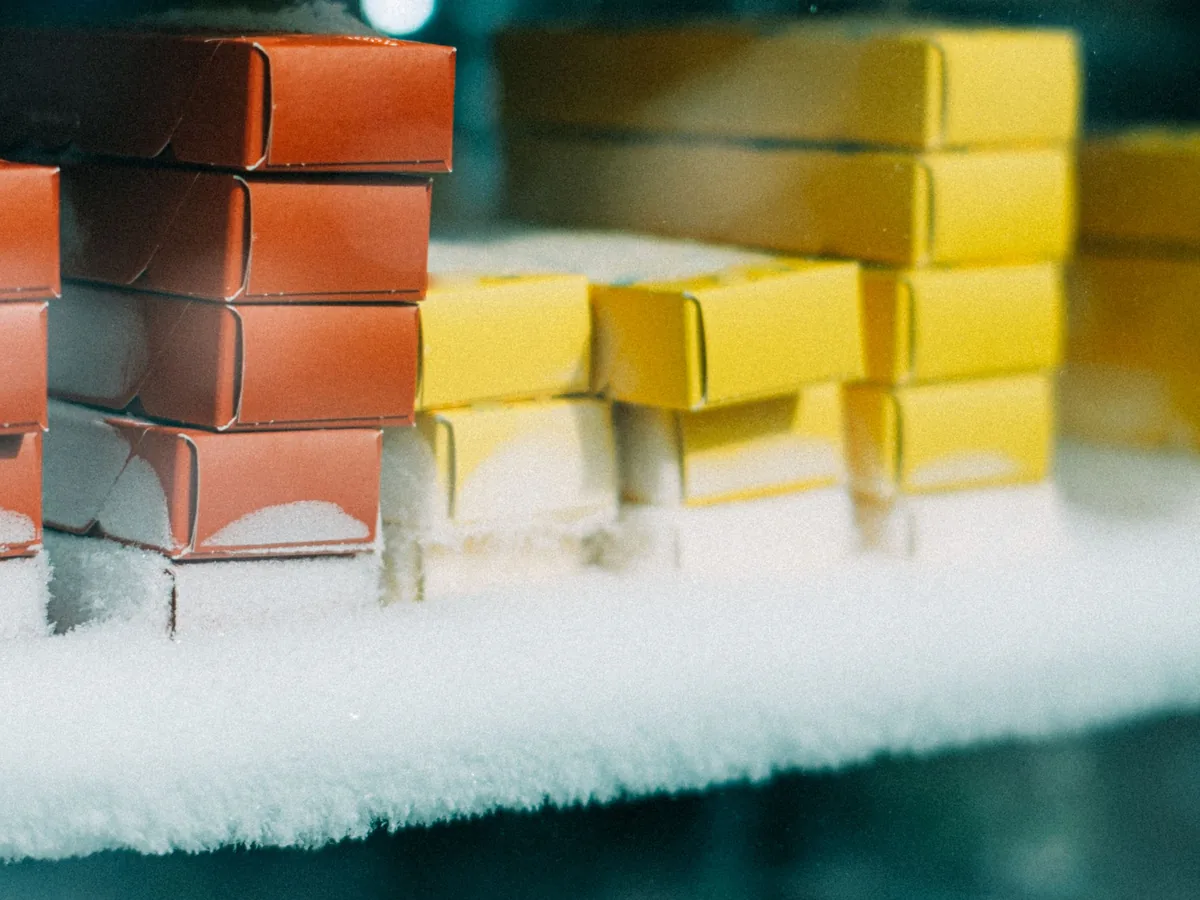
Frost on the shelves of a display freezer, stacked with plain boxes

Other solutions: IoT Hardware Companies · Service Contractors · Industrial Operators

Does this fit your site?

What you keep cold
Walk-in coolers and freezers, display cases and multidecks, reach-ins, ice-cream islands, cold rooms, freezer rooms, refrigerated trucks and chilled docks.
Who runs them
Grocers, convenience stores, restaurants and kitchens, butchers and specialty shops, cold-storage warehouses, food banks and chains.

The hours nobody covers

Three published examples, each with its source: a supermarket's cases, an insurer's loss example and Health Canada's own numbers. None of them involves SensoCAN.

  • Grocery · B.C.

    Coolers still empty the next afternoon

    In August 2022, an electrical issue on a Tuesday evening stopped the refrigeration cases at a large supermarket in West Kelowna, B.C., its operator said. Some product was pulled, and many coolers were still empty at 1:30 p.m. the next day.

    Castanet, news report, August 2022

  • A loss example, as the insurer published it

    The food was the bigger loss

    A restaurant owner found the freezer compressor had stopped and the freezer had warmed to about 10 °C. The meat thawed and spoiled: $22,300 CAD in spoilage, against $1,300 CAD in direct damage.

    HSB Canada (Munich Re), loss example, July 2019

  • Health Canada's guidance for households

    About four hours in a closed fridge

    During a power outage, an unopened refrigerator will keep food cold for about 4 hours, a full freezer will keep food frozen for about 48 hours and a half-full freezer for about 24 hours.

    Health Canada, Food and drinking water safety in an emergency (Canada.ca)

Tonight, after the last person leaves, what tells you a freezer has stopped?

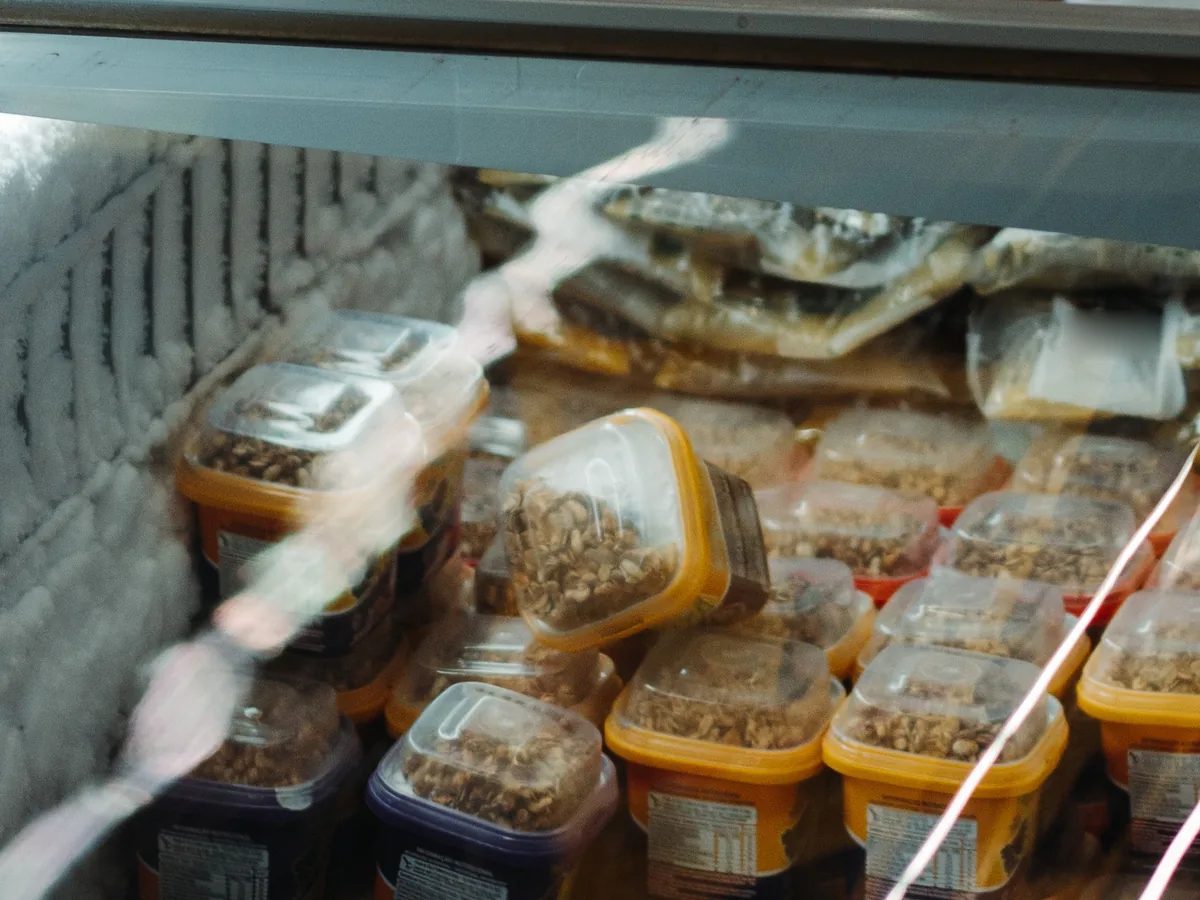
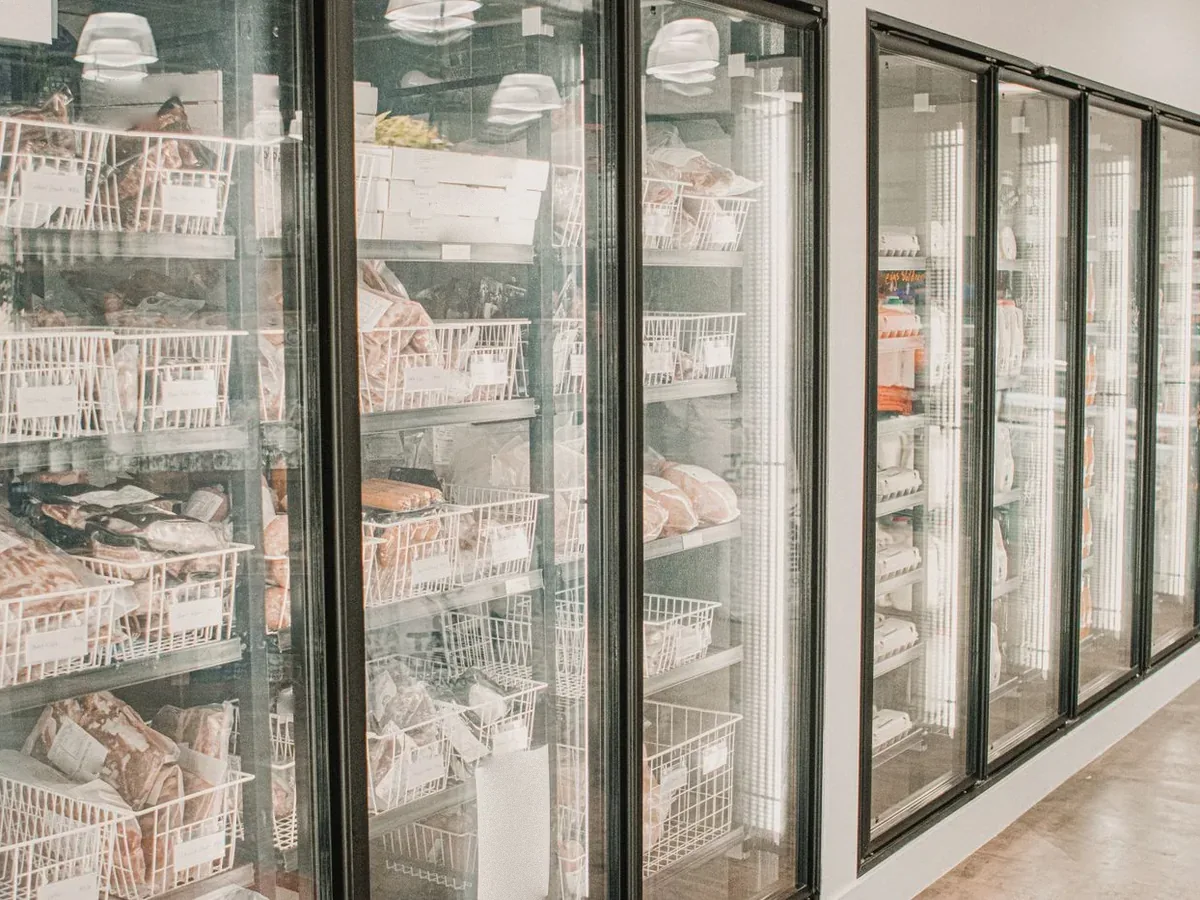
Packs of frozen meat behind the glass doors of a freezer case

A night with SensoCAN

Your last check is at closing and your next is at opening. Here is what happens in between. We set up these steps with you as a rule chain, and you can change them at any time.

  1. 01

    Each freezer and cooler has its own limits

    Every cooler, freezer and case gets its own minimum and maximum, taken from your food-safety plan. As starting points, Health Canada advises 4 °C or lower for refrigerators and −18 °C or lower for freezers.

  2. 02

    A reading goes out of range

    One stray reading sends no alert. After three out-of-range readings in a row, the first person on your list is told by SMS, email or WhatsApp, and the people assigned to that gateway get a push notification on their phones. You can change the count.

  3. 03

    Still out of range

    If the readings stay out of range, a second person you choose is told, then a third. The alarm stays open, even once the readings recover, until someone acknowledges it on the web or from a phone.

  4. 04

    The site goes quiet

    If a power cut or a network fault silences the gateway, the people on its list are told. We switch its offline alarm on during setup, so the outage also stays open until someone acknowledges it. A connection that keeps dropping sends one "connection unstable" message, not twenty.

  5. 05

    The morning after

    The alarm shows when it started, whether it cleared and who acknowledged it. Deliveries shows who was sent which email, text or WhatsApp, and which texts the network confirmed. Excel exports of up to 30 days and 50 sensors, or PDFs for shorter ranges, go in your food-safety file.

How soon you are told is roughly the sensor's reporting interval times the count you chose. Nobody can promise minutes.

The sensor depends on how cold the freezer or cooler runs.

Coolers and freezers need different sensors. Every range below is as published.

    • L01S Temperature & Humidity SensorL01S
    • L02S Multiple SensorL02S

    L01S · L02S

    0 to 8 °C: coolers, multidecks and reach-ins

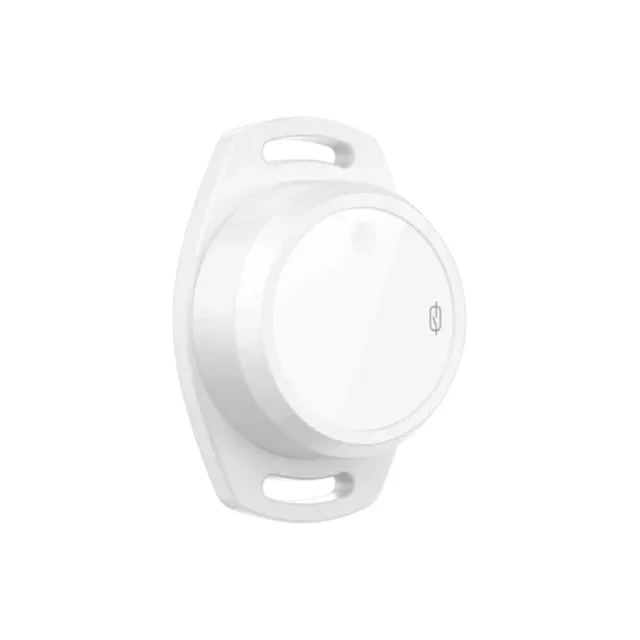
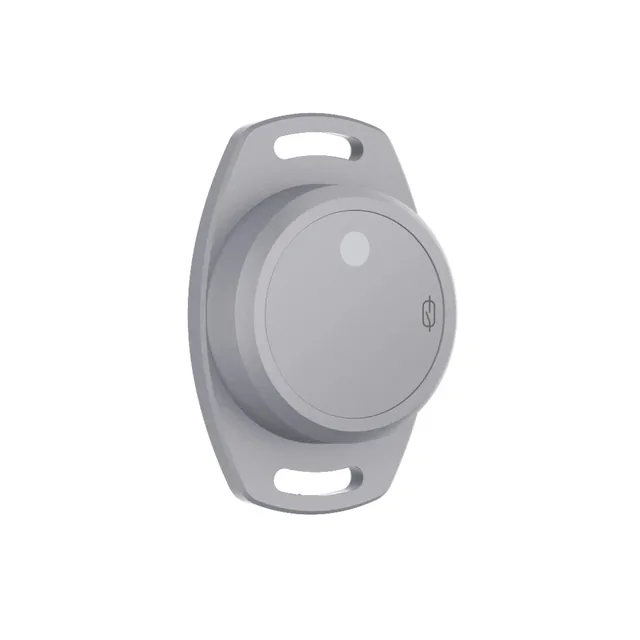
    The L01S and L02S measure temperature and humidity. Both are rated −20 to 60 °C, so they go in coolers, never in freezers. Doors have their own sensor, the S03D below.

    • H4 Pro Temperature & Humidity SensorH4 Pro

    H4 Pro

    Down to −40 °C: display, ice-cream and walk-in freezers

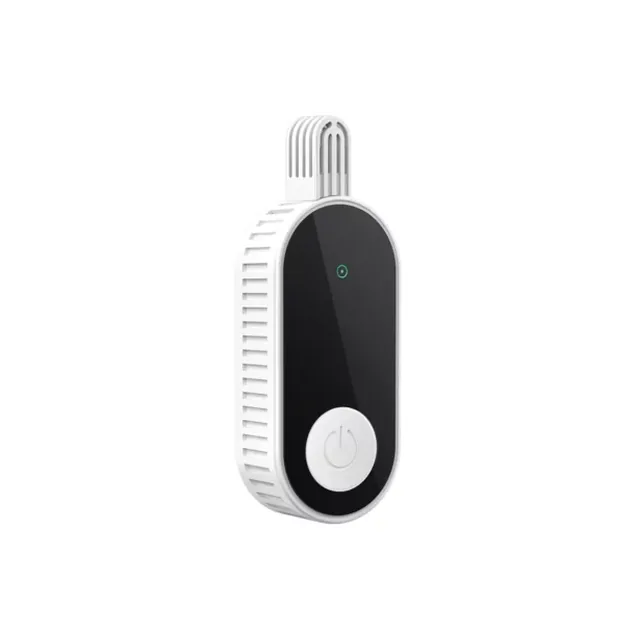
    The H4 Pro's probe goes in through the door gasket and reads down to −40 °C. Its body is only splash-rated, so it stays outside the freezer in a dry spot.

    • DL002 PT100 Temperature SensorDL002

    DL002

    Deep cold and wet floors: freezer rooms and blast freezers

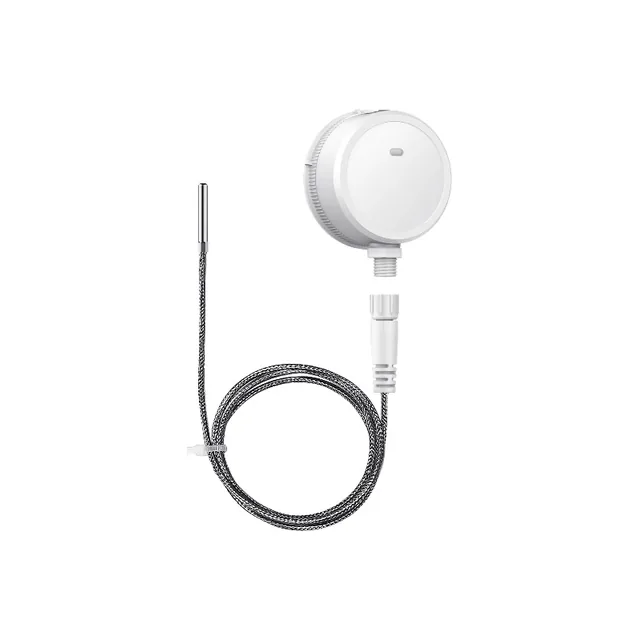
    The DL002's PT100 probe measures from −100 to 100 °C. Its IP67 body can sit outside the room, even in a wet spot.

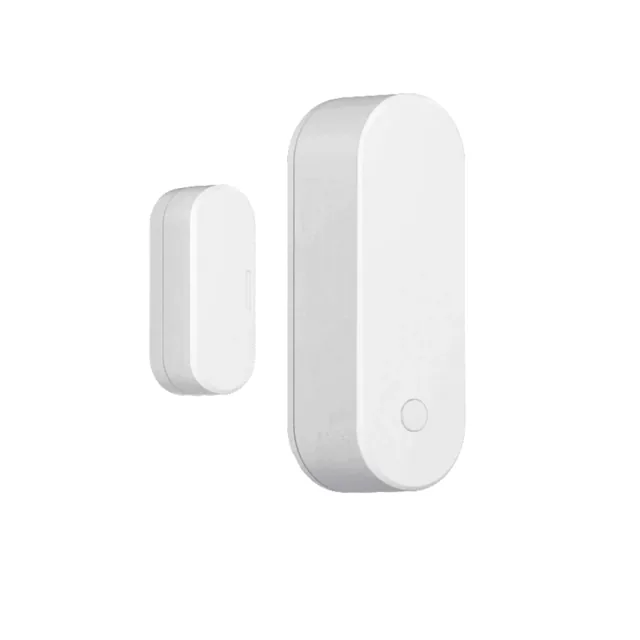
    • S03D Bluetooth Door SensorS03D

    S03D

    Doors: walk-ins and loading docks

    Mounted on the warm side of the door, the S03D shows the door open or closed on a timeline. An opening outside business hours sends a text.

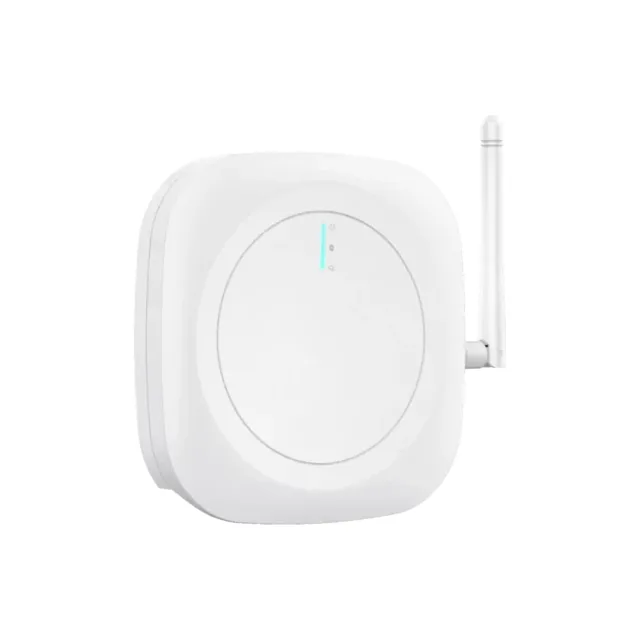
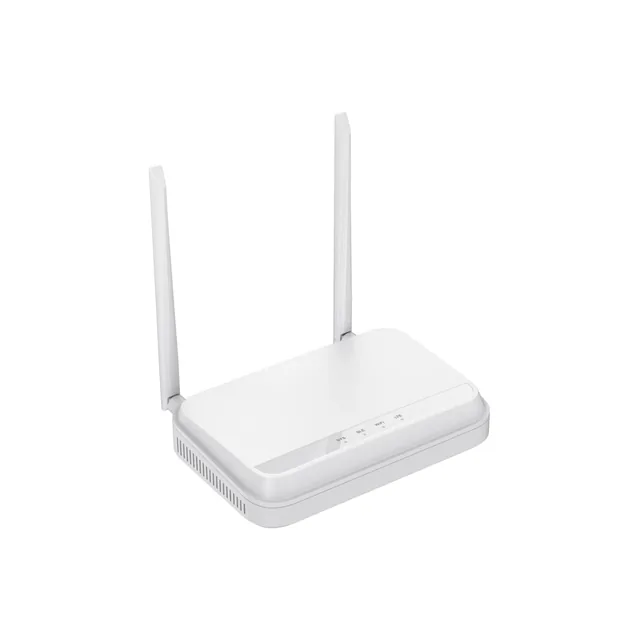
    • MKGW3 Indoor PoE GatewayMKGW3
    • MKGW8 Indoor PoE GatewayMKGW8
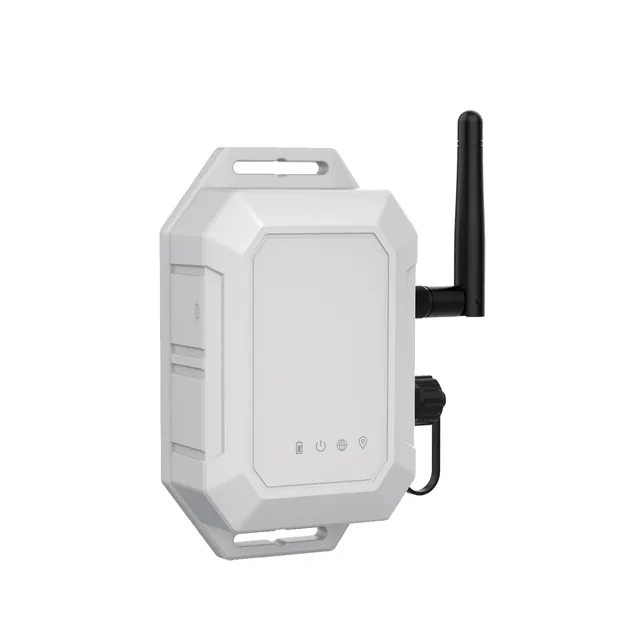
    • MKGW4 Outdoor Cellular GatewayMKGW4

    MKGW3 · MKGW8 · MKGW4

    Gateways: outside the cold, wired or cellular

    MKGW3: PoE Ethernet or Wi-Fi. MKGW8: falls back to Wi-Fi, or LTE on models that have it, if the wire drops. MKGW4: cellular, for sites without a network and for refrigerated trucks.

Three kinds of business, the same night.

Each group shows only what differs: what they keep cold, who is told first, and one setup detail.

Frozen food in a supermarket's chest freezer, seen through the glass lid

Food retail

Grocers, convenience stores, butchers

Display cases and walk-ins that run all night in a store that closes.

  • Grocery: ice-cream islands, dairy cases and the back-room walk-in; the count allows for defrost cycles and restocking.
  • Convenience: the ice-cream freezer and the drinks cooler; you are told first, then a key-holder; cellular where the store has no network.
  • Butchers and specialty: the meat cooler, the service case and the aging room with a humidity limit; the owner first, the manager next.
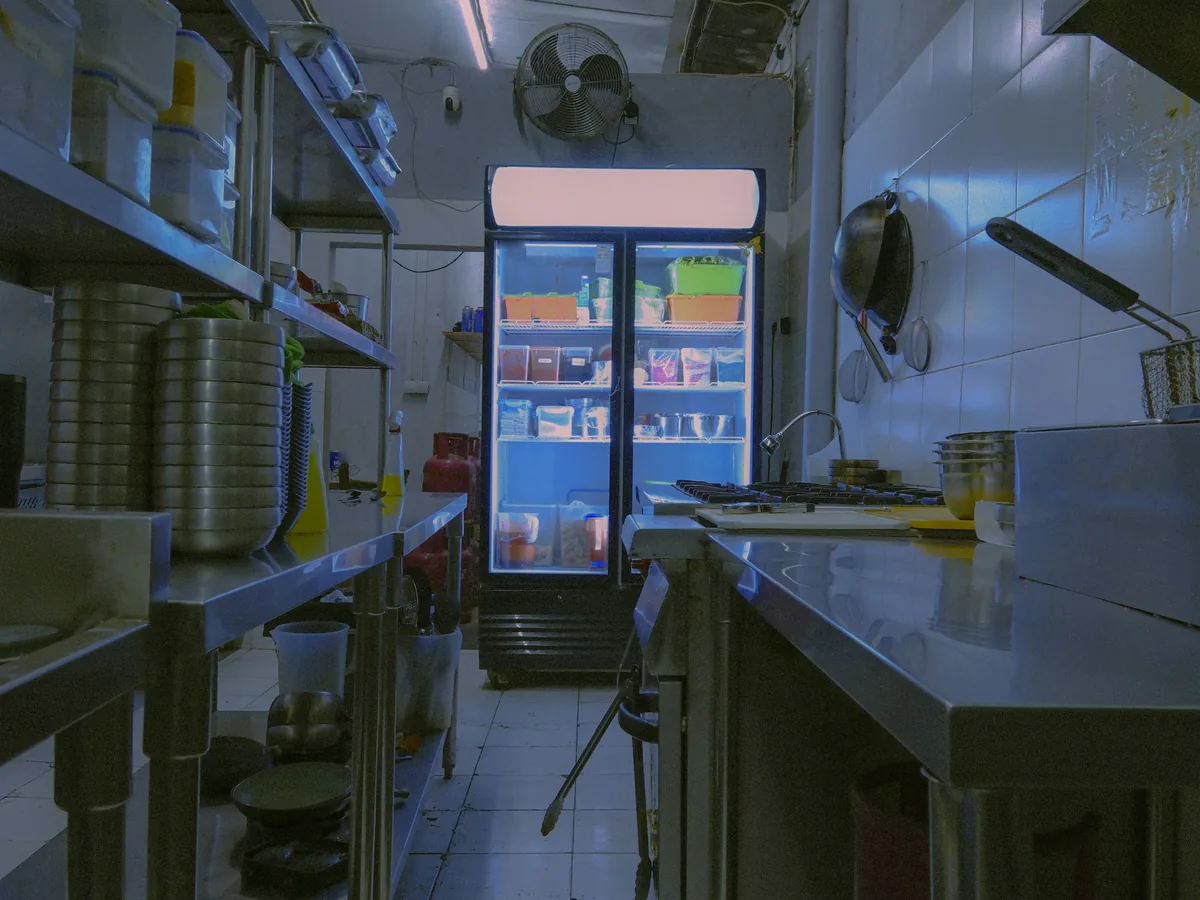
A restaurant kitchen after service, its two-door reach-in refrigerator still lit

Foodservice

Restaurants, kitchens and food banks

Walk-ins and reach-ins that keep working once the kitchen has closed.

  • Restaurants: the walk-in freezer and the kitchen's reach-ins; the closing chef is told, then the owner; the count allows for busy doors.
  • Institutional kitchens: several walk-ins across a campus or workplace; one device group per building, the food-service director on the third line.
  • Food banks: the cold room with Friday's donations; a volunteer on call gets the first alert, the coordinator the second.
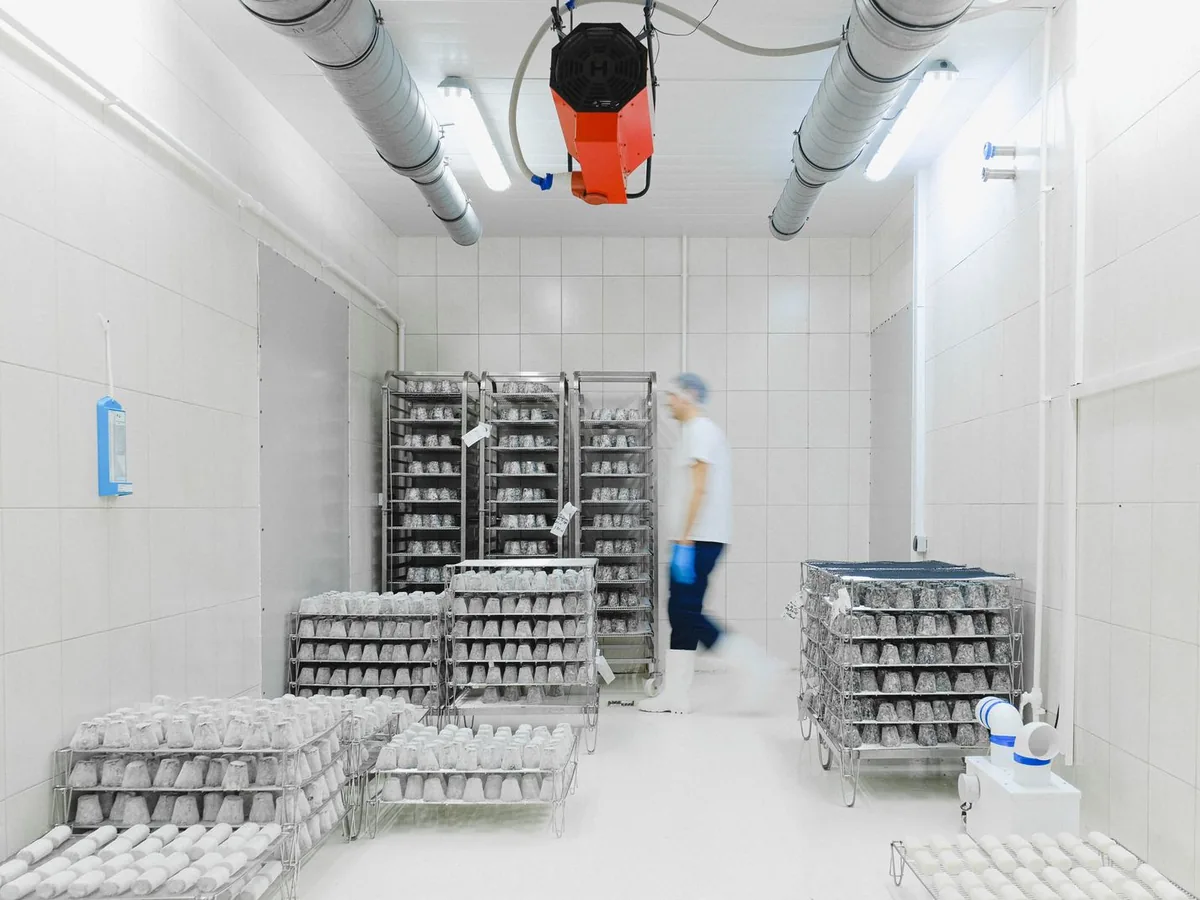
Racks of trays in a white cold-storage room

Cold storage and chains

Warehouses, distribution centres, multi-site operators

Freezer rooms, chilled docks and forty stores on one screen; Thermal Maps shows a room's warm spots.

  • Cold storage and 3PLs: freezer rooms at −25 °C and chilled docks; the shift lead first, maintenance next; each client gets its own exports.
  • Distribution centres: dock doors on a timeline, and a gateway that falls back to another network when the wired uplink drops.
  • Refrigerated trucks: a cellular gateway travels with the load, and its offline alarm is set to allow for dead zones on the route.
  • Multi-site chains: each store manager sees only their own store; after a storm, the stores that stopped reporting are the list to check.

When a site goes silent, you are told that too.

This is what SensoCAN does when a site loses power or its network, and the one thing it cannot do.

  • Sensors run on batteries. The gateway they report through needs power and an internet connection.
  • If a sensor stops reporting or its battery runs low, the people listed on its gateway are told.
  • SensoCAN does not retrieve readings from the time a gateway is offline.

Setup advice, not a product feature: run the gateway and the router from a UPS, a battery unit that keeps both going through a short power cut.

Ice storm · Québec, April 2023

After the April 2023 ice storm, about 1.1 million Hydro-Québec customers lost power at the peak. The Québec government let grocery stores in six regions open on Easter Sunday so residents could replace food they could not keep cold.

CBC News / CTV News Montreal, news reports, April 2023

Start with one freezer.

Prices are in US dollars. Each gateway counts as a device. We set up your pilot with you at no charge. For a full rollout, hardware and setup are quoted for your site. At the end of a pilot, you can buy the sensors we provided at the quoted price, or return them.

  1. 01

    Pick the freezer that worries you most, the one you check first every morning.

  2. 02

    We connect it with you, using sensors we provide or sensors you buy.

  3. 03

    After 30 days we tune its limits and counts together, then you carry on or export the readings.

Pay yearly and save 20% on every plan.
  • Always Free · $0 per month, USD · 2 devices · 10 sensorsOne freezer or cooler, for as long as you like.
  • Starter · $7.99 per month, billed yearly, USD · 10 devices · 50 sensorsOne kitchen, one corner store or one butcher shop.
  • Growth · $39.99 per month, billed yearly, USD · 50 devices · 1,000 sensorsA whole grocery store, or two to five kitchens.
  • Scale · $159.99 per month, billed yearly, USD · 250 devices · 5,000 sensorsA cold-storage warehouse, or a chain of stores.

Set up with you, site by site.

Send us your list of freezers and coolers, and who should be told. SensoCAN stores your account and your devices' readings on servers in Canada.

Book a demo
  • We create your workspace, add each site and invite your people.
  • We help connect the gateways and sensors, with each probe where the cold is.
  • We enter each sensor's limits and, for each gateway, who is told first, second and third.
  • We show your closing and opening leads how to acknowledge alarms from their phones.

Questions from people who keep food cold

Our freezers hold −25 °C. Which sensor goes in them?

One with a probe, its body outside the freezer: the H4 Pro or the DL002. The L01S and L02S stop at −20 °C, so they are for coolers only. See the supported hardware.

What if the power or the internet goes out overnight?

A gateway that goes offline is reported to the people listed on it, and its offline alarm records the outage until someone acknowledges it. Readings from that gap are not retrieved. Where the network is weak, use a cellular or failover gateway, and put the gateway and router on a UPS.

Will a defrost cycle or a busy door wake me up?

No. An alarm needs several readings out of range in a row, and for defrost cycles or busy doors we raise that count, not the limit. A fault that lasts all afternoon stays one alarm, not hundreds of messages.

Does it phone me, or is there a monitoring centre?

Neither. Alerts go to your own people and, while the problem continues, to a second and a third person you name. The alarm waits for someone to acknowledge it. Texts go through your own text-message provider, which bills per message. During the pilot, texts go through our account.

My staff work in French. Can they use it?

Yes, in the web app: each person chooses their language, and their notification emails follow it. The website and the documentation are in French too. The mobile app is English and Arabic only, for now.

Can we keep our clipboard and the contractor's alarm?

Yes, keep both. The clipboard covers the moments someone is there, and your contractor can be the third person told. SensoCAN adds one screen for every freezer and cooler and a record of who was sent what by email, text and WhatsApp, without connecting to their controller.
One freezer, 30 days, then you decide.

Book a short call and we will set up a free 30-day pilot on one freezer with you. Or start free on your own.